Language

Seizanji Temple

Choose your language.

Explore the temple, its story and the ways to begin.

表示する言語をお選びください。

English 日本語

You can change language at any time using the links at the top.

Shingon Buddhist temple · Middle Cove, Sydney

A temple for
everyday life.

Seizanji is a Shingon Buddhist temple in Middle Cove. Through meditation, reflection and community, we learn to notice the thoughts and assumptions that shape our experience—and respond with more clarity and care.

New to Buddhism? You can begin here.

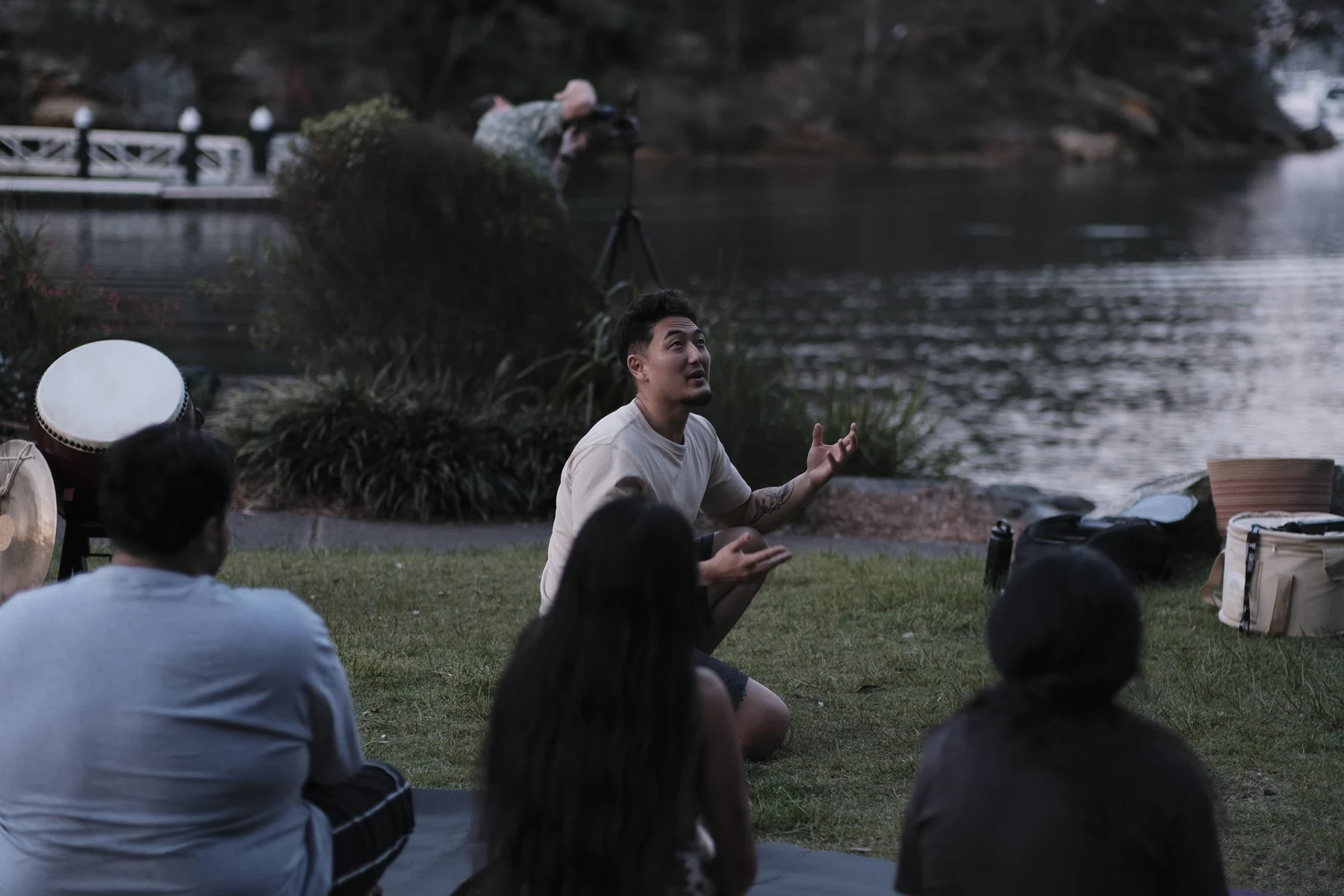
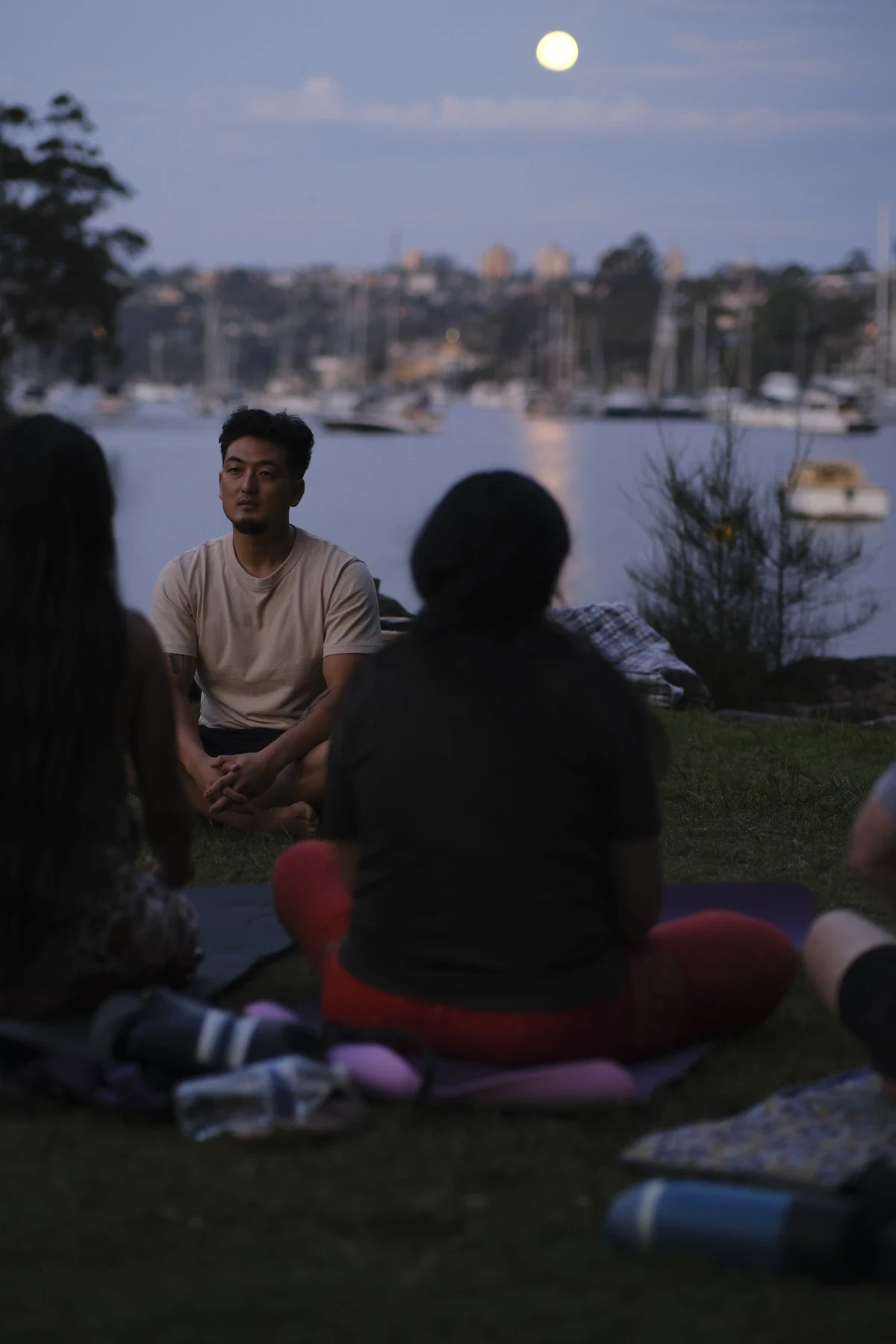
Harrison Saito speaking with seated participants beside the harbour at his full-moon breathwork event
Harrison guiding a conversation at the full-moon breathwork event.
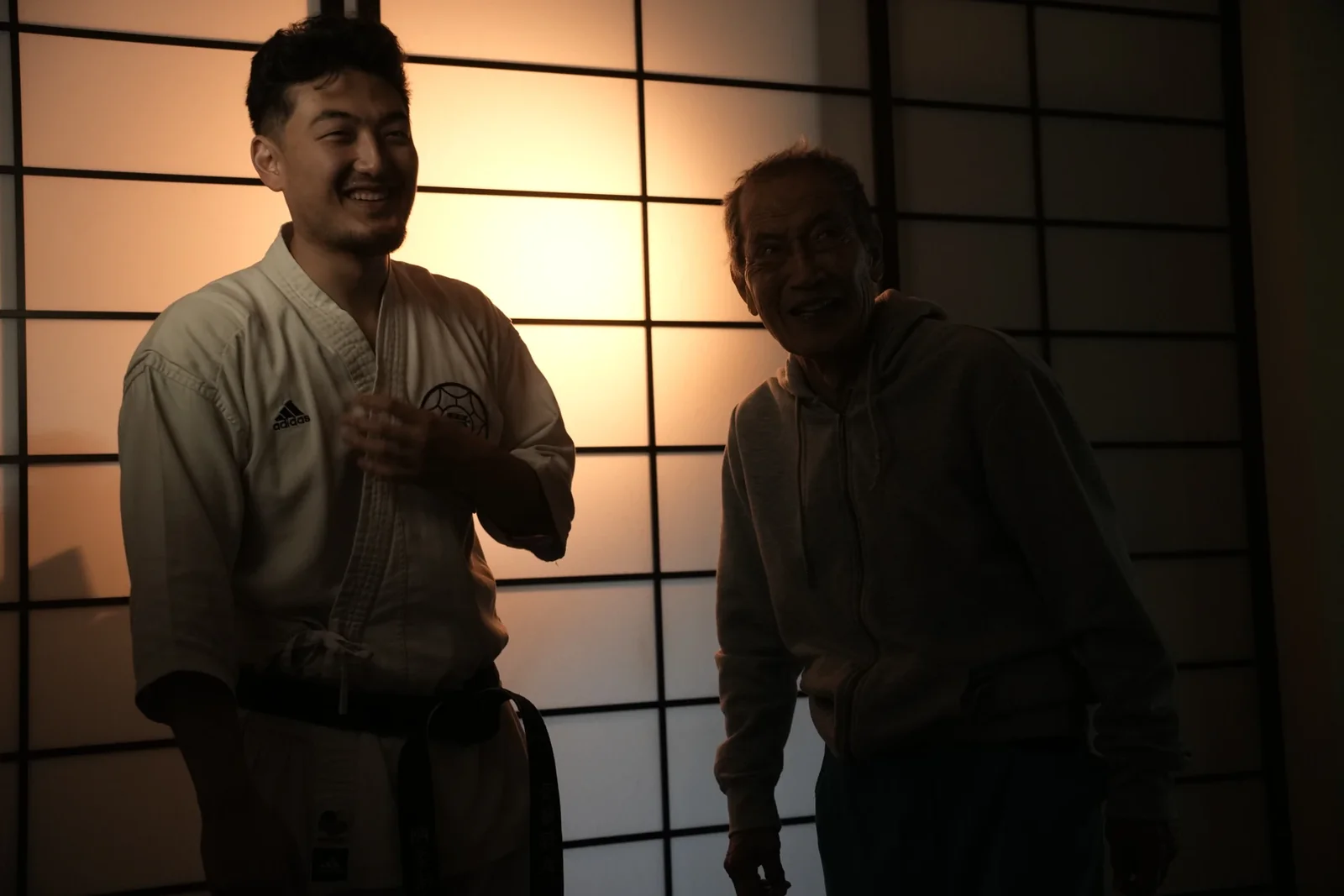
Harrison Saito and his father, Rev. Washo Saito, sharing a smile
Harrison and his father, Rev. Washo Saito.

A new chapter
for Seizanji

Seizanji grew from the wish of Kazuo Saito (Rev. Washo Saito) to make Buddhist practice accessible. At 81, he has entrusted the temple’s continuing care and guidance to his son, Harrison Saito (Wakei).

The temple remains rooted in Shingon Buddhism and its connection with Kōyasan in Japan. Harrison carries that inheritance forward, placing self-compassion alongside the discipline and resilience he learned from his father.

A Buddhist home where the next generation can learn and practise.

The temple’s story

Not every thought
is the whole story.

Perhaps you hold your breath under pressure, speak harshly to yourself, or wish you could take back a reply.

We learn what success should look like, when we are allowed to rest, and how we are expected to respond. Those habits can shape what we notice—and what we assume.

At Seizanji, we practise noticing thoughts, feelings and learned expectations without immediately treating them as facts. That can create room to check an interpretation and choose a kinder, clearer response.

You can also come simply because you are curious about Buddhism. Difficulty is not a requirement.

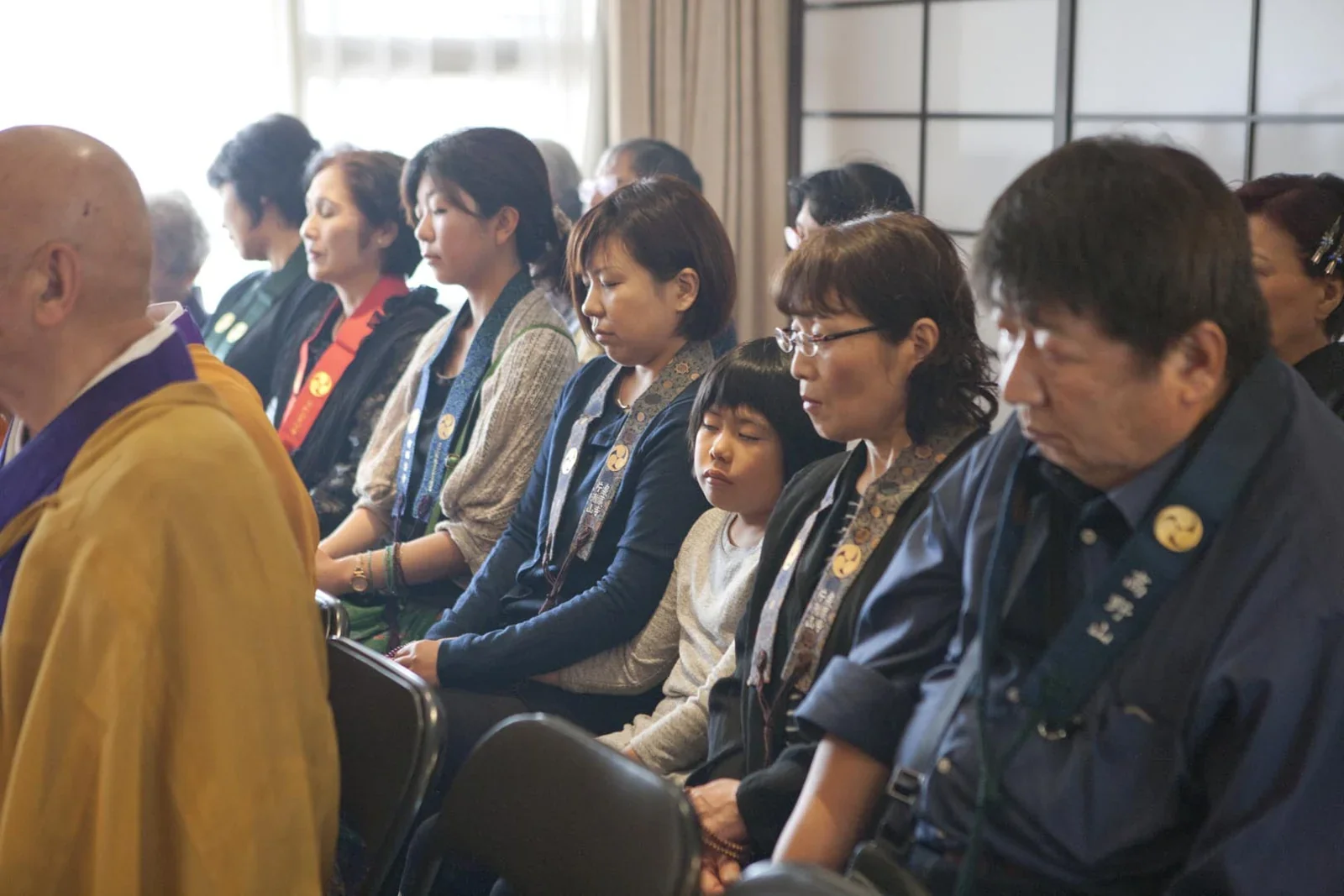
An earlier community gathering inside Seizanji Temple
A gathering at Seizanji. From the temple archive.
See lifemore clearly.
  1. Life keeps
    changing
  2. Return attention
    to your breath
  3. Notice thoughts
    and feelings
  4. Identify familiar
    trigger responses
  5. Choose a truer response
    and act on it

Notice before
you react.

Observe what is happening in body and mind before a familiar reaction becomes your only view of the situation.

In an ordinary conversation

Return to your breath. Notice the tight jaw and the thought, “I am being ignored.” Recognise the urge to snap back or withdraw. Ask what you know, what you are assuming, and what matters to you—then say or do something that reflects that.

A truer response means one you have considered, aligned with your values and what the situation needs—not a perfectly unbiased answer.

Returning means coming back to what you can notice now: breath, tension, a thought, another person. Not finding a fixed “true self” or becoming free of every bias.

This circle shows how we approach everyday reflection. It is not a traditional Shingon sequence or a timed breathing exercise.

A conversation and
guided practices

Two ways to explore Buddhism through your own experience. Message Harrison if you are not sure which would suit you.

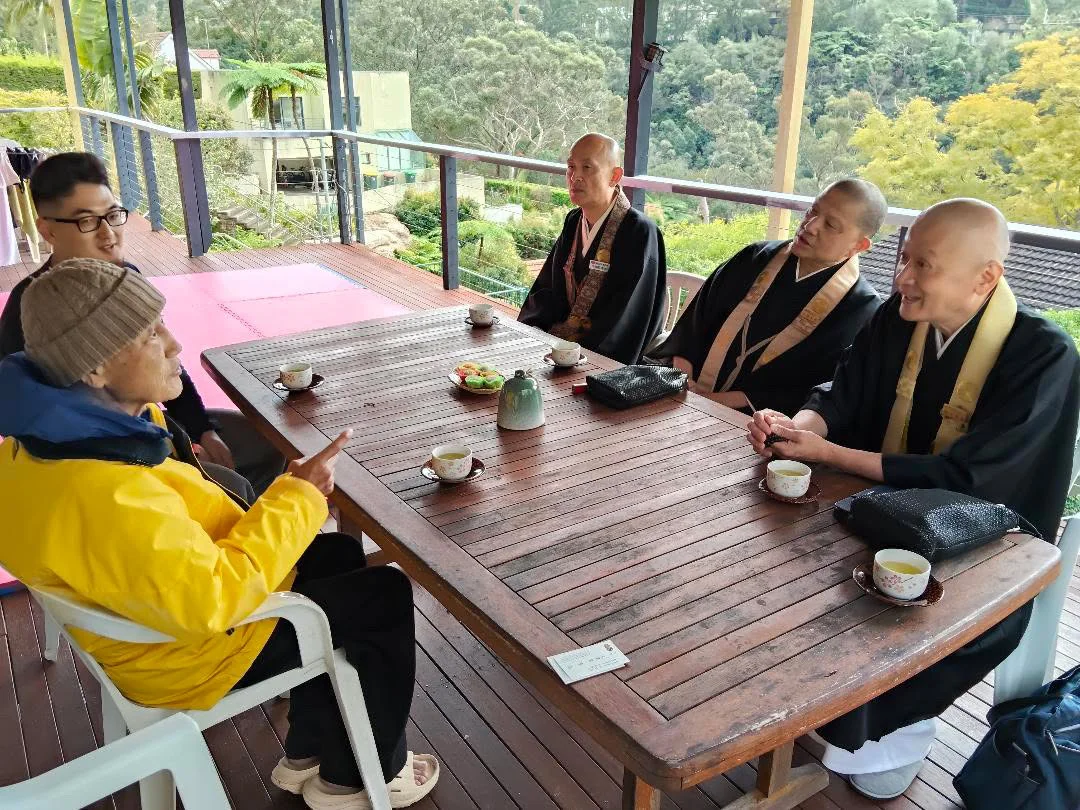
Harrison and other participants in conversation around a table with tea; several participants wear Buddhist robes
An earlier conversation over tea with Kōyasan directors.

Discussions & workshops

For people who want to bring Buddhist ideas into the situations they are actually living.

We explore compassion, gratitude, relationships, suffering, and how our habits shape a response. Bring a question, something you have noticed, or simple curiosity. Conversation is invited, never forced; you choose how much to share.

You may leave with a clearer view of one familiar pattern, a question worth staying with, and one small way to practise more deliberately beyond the room.

Ask about discussions & workshops
Guided meditation

For beginners and returning practitioners who want support to sit, notice, and build a practice they can use in everyday life.

More about meditation
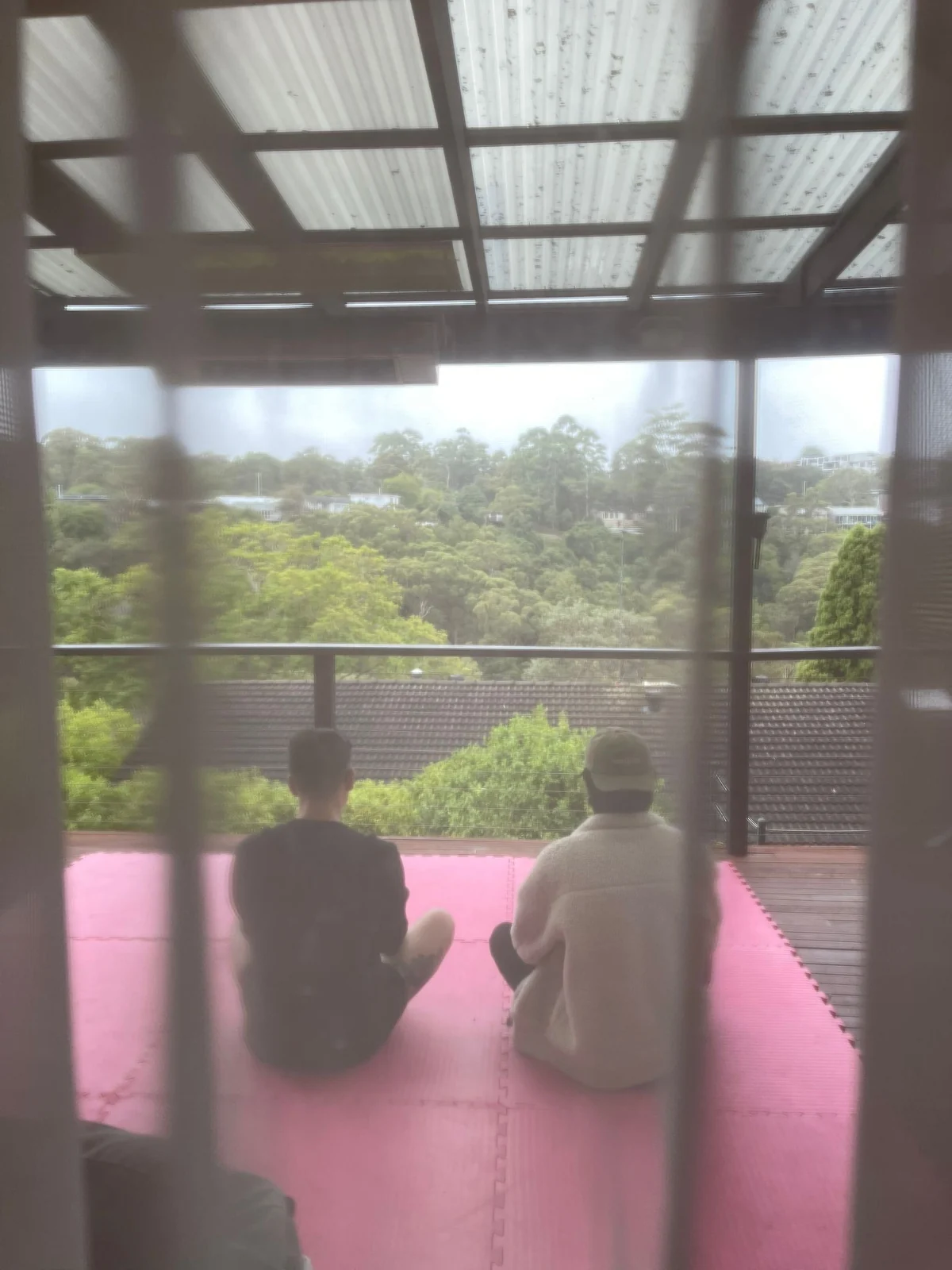
Harrison and a student sitting in meditation at Seizanji, facing the valley through the temple windows
Harrison and a student practising at Seizanji.

One-to-one

Individual guidance for a personal starting point or a closer look at your practice. There is room to ask questions, describe what you notice, and find a simple next step.

We can take our time, talk about what you notice, and find a practice that suits you.

Ask about one-to-one meditation
Harrison seated with participants beside the harbour during the full-moon breathwork event
From Harrison’s contemporary full-moon breathwork event.

With a group

Meditate alongside others in a respectful shared space. Guided practice and reflection offer a way to learn without needing to perform or explain everything.

There is room to participate quietly, ask a question, or share what you notice. You do not have to disclose personal difficulties.

Ask about group meditation

Practise noticing thoughts without immediately believing them, checking familiar assumptions, and meeting distraction or emotion with less judgement.

Buddha – compassion and mindfulness at the centre

Dainichi Nyorai, the Great Sun Buddha, is central to Shingon. Dainichi expresses awakened wisdom throughout existence—not simply a calm state of mind or something separate from the life around us.

Shingon brings body, speech and mind together in practice, with awakening possible in this very life. Wisdom and compassion are not only ideas to understand; they are qualities to express through how we act, speak and meet others.

At Seizanji, breath, attention and honest reflection offer an accessible beginning. We practise being present with what life brings, while respecting the depth of the Buddhist tradition that holds this work.

You can begin without knowing the terminology. Deeper traditional practice remains something learned with guidance and time.

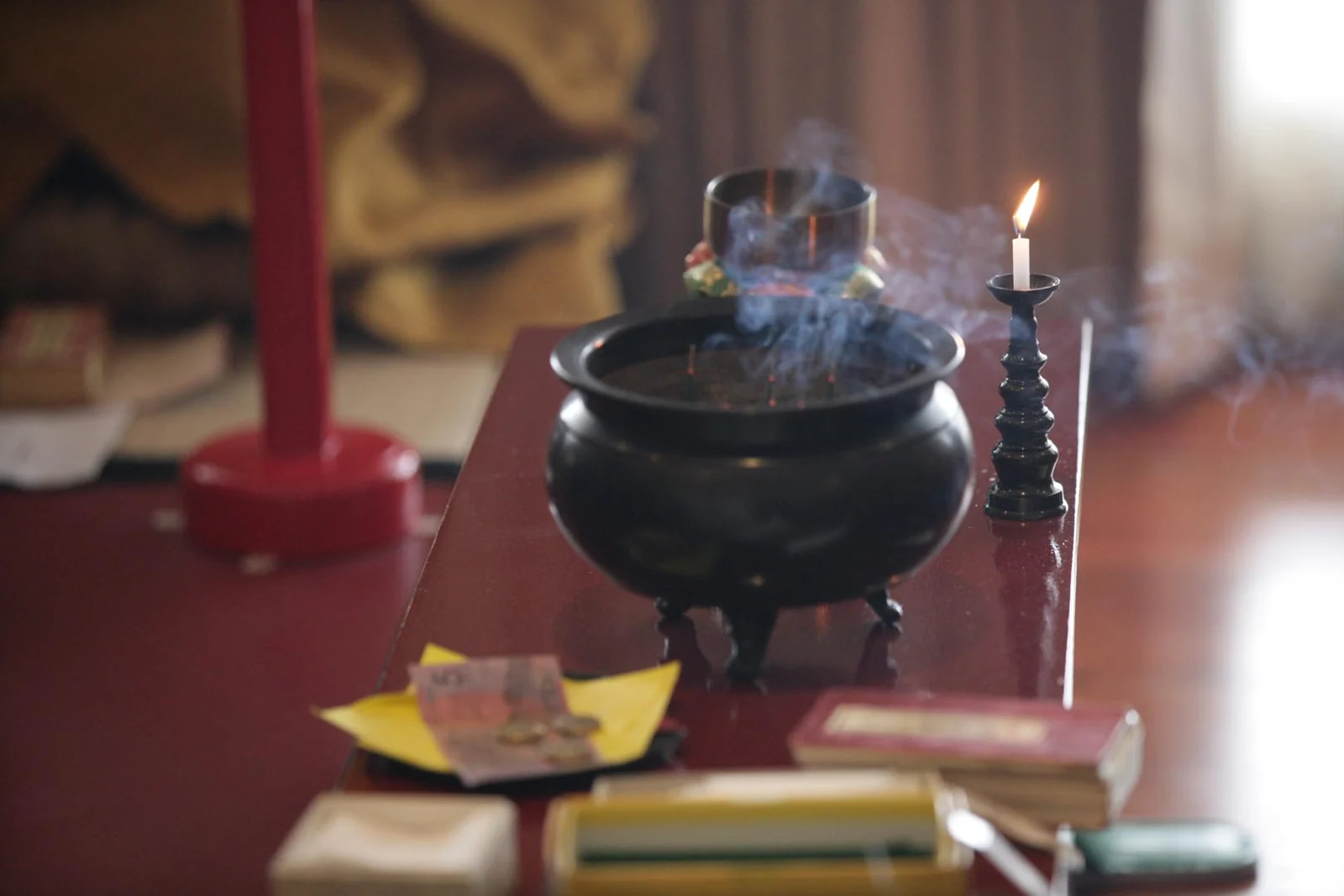
Incense rising beside a candle on the altar at Seizanji Temple
At Seizanji Temple, Middle Cove.

2026 visits from Kōyasan Kongōbuji
and the Rev. Bill Crews Foundation

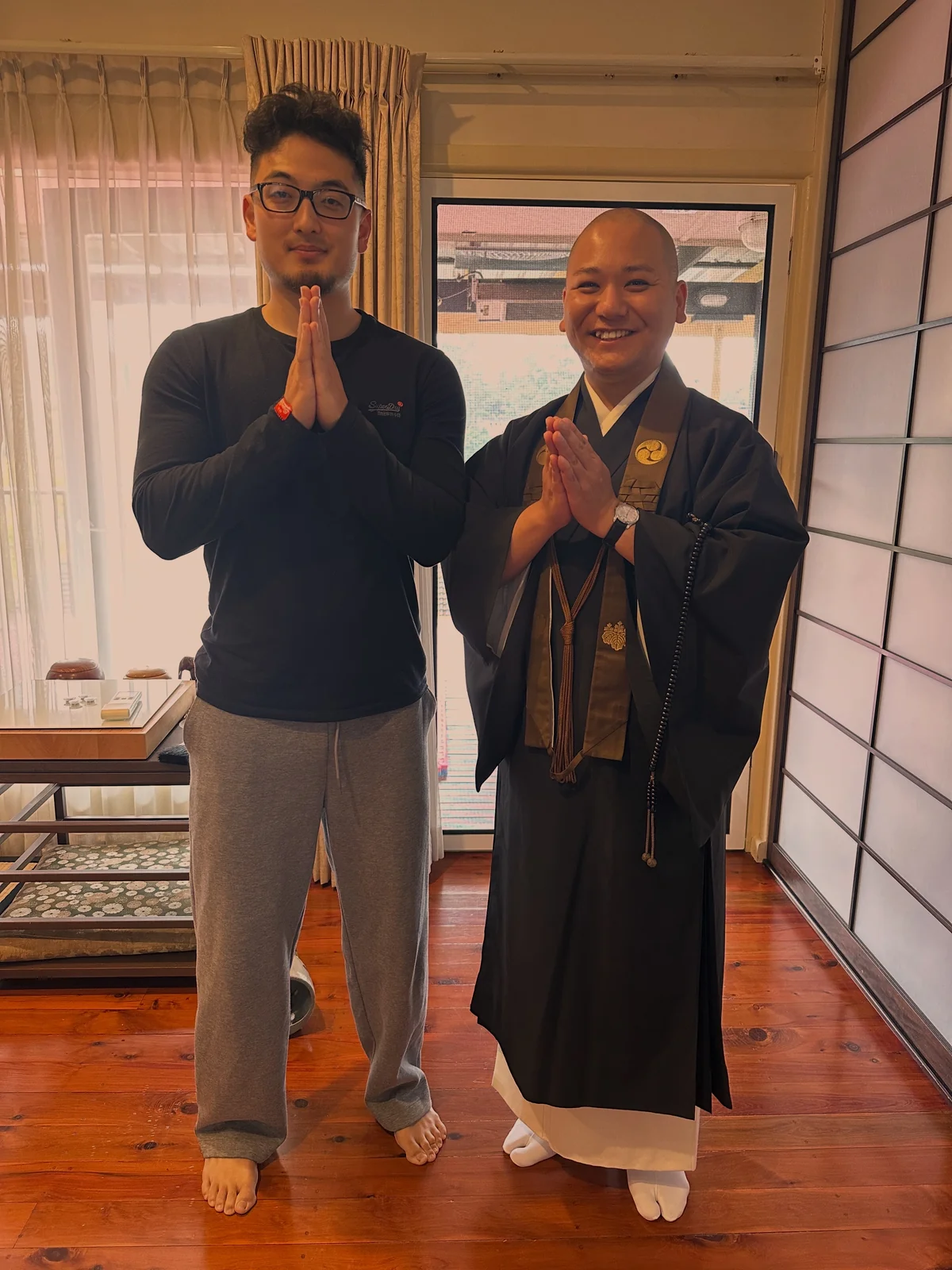
Harrison with Rev. Yamamoto, Director of International Affairs, Kōyasan, with hands joined in greeting
Rev. Yamamoto, Director of International Affairs, Kōyasan.
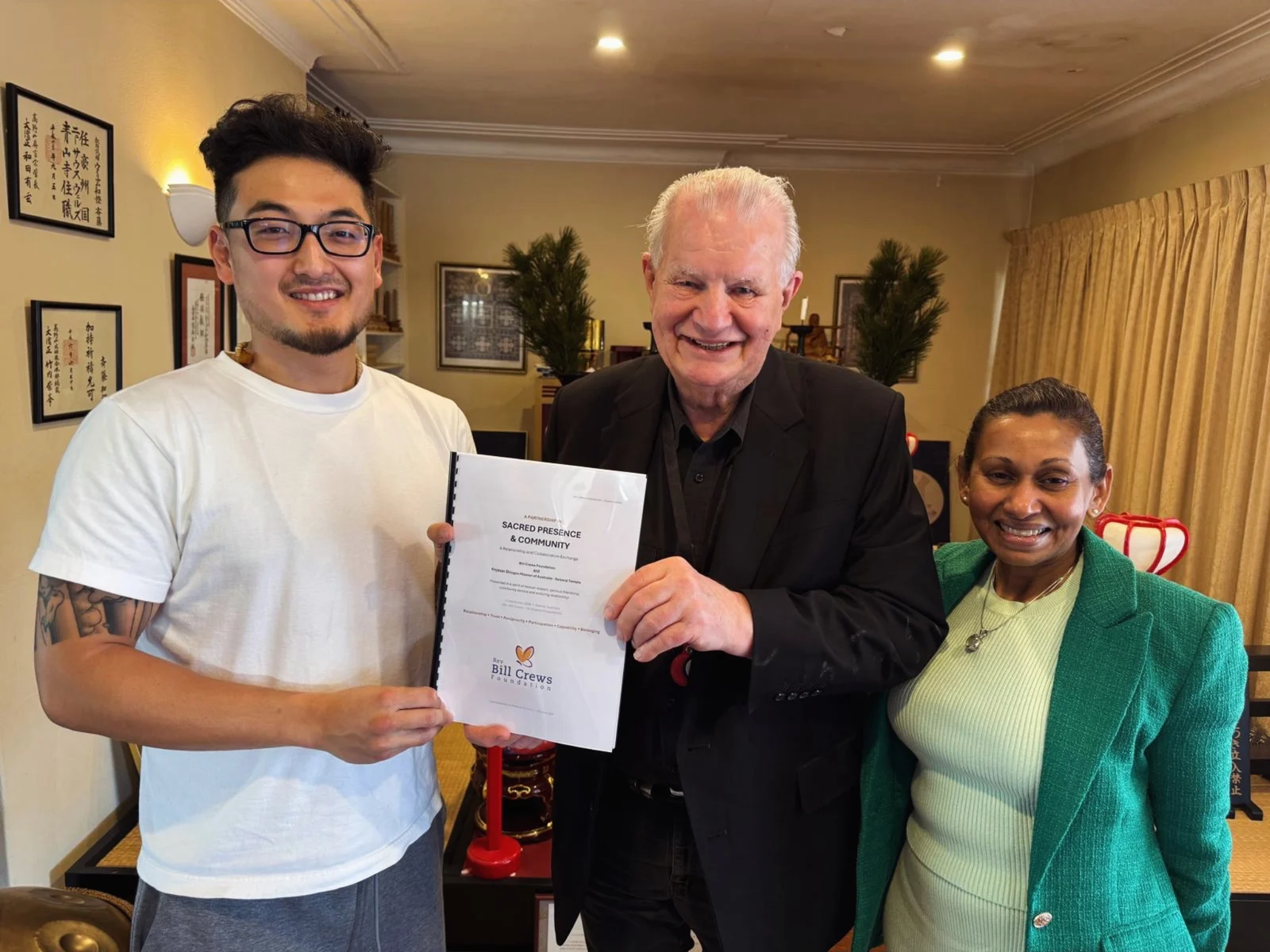
Harrison and two other people holding a document titled Sacred Presence & Community
A visit from the Rev. Bill Crews Foundation, with the Sacred Presence & Community document.
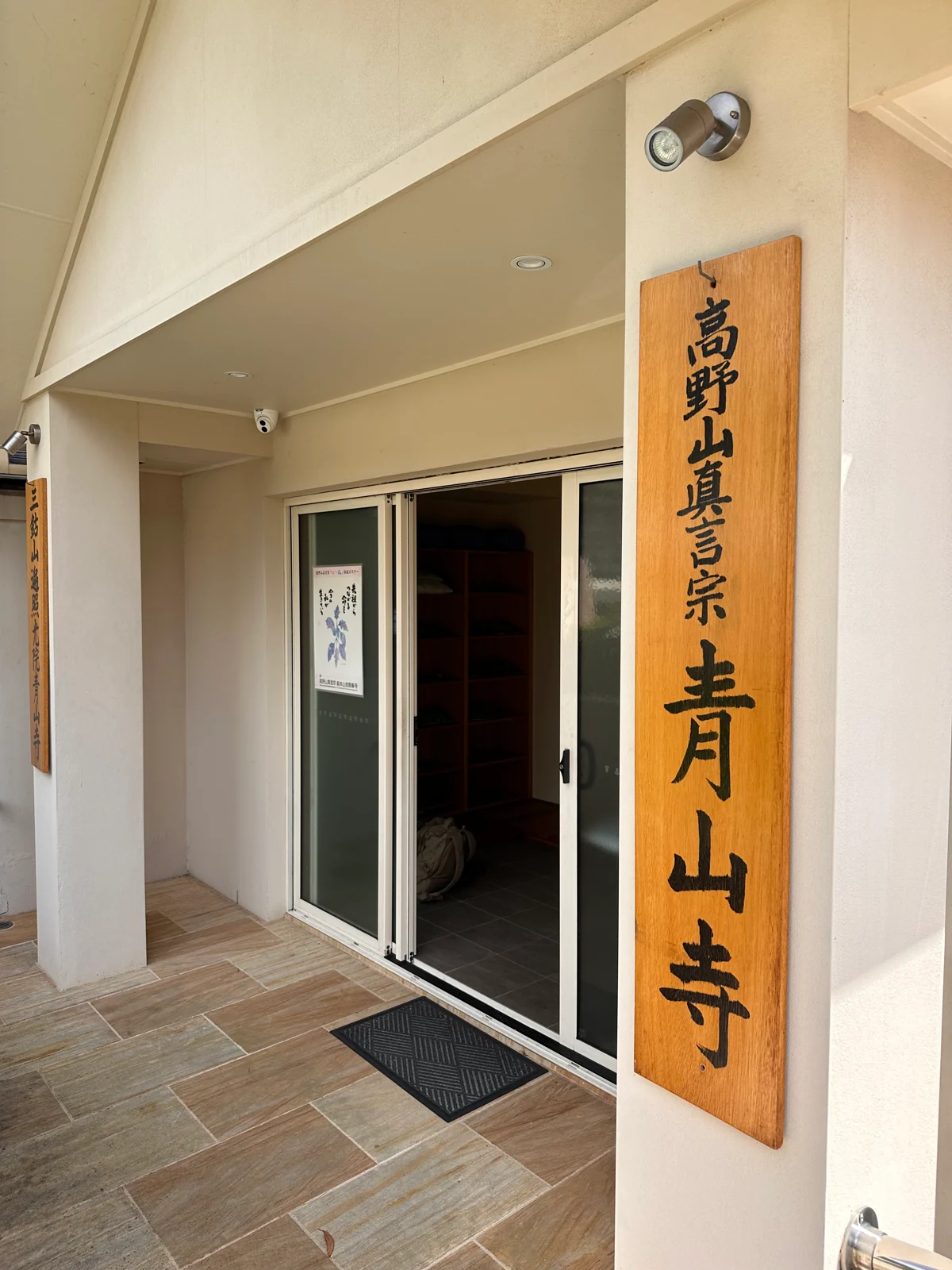
The entrance to Seizanji Temple with Japanese temple lettering
Seizanji Temple, Middle Cove.
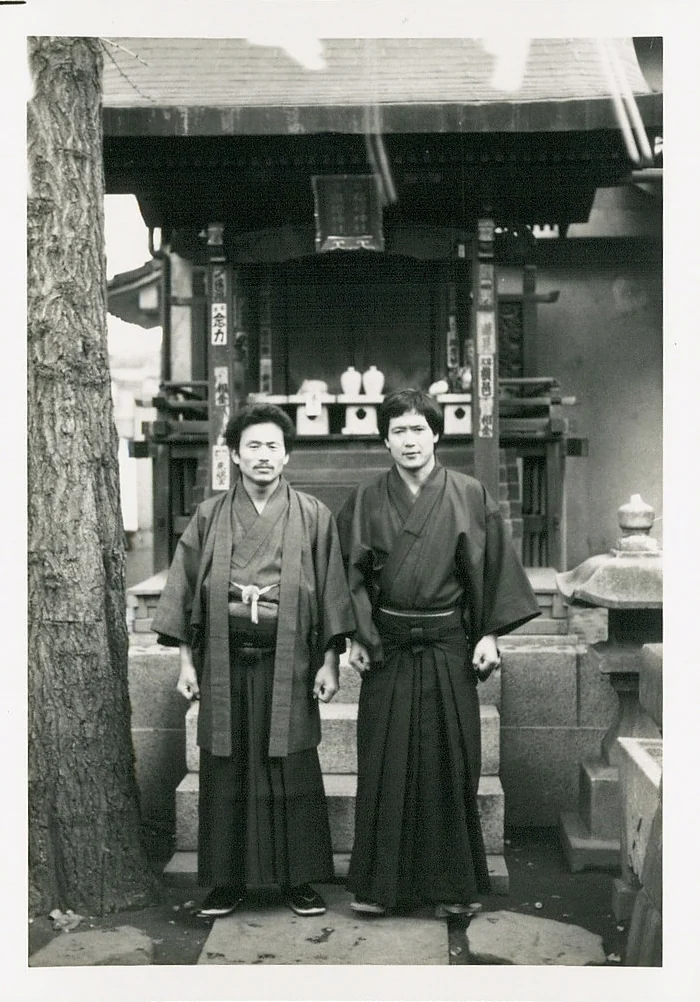
Akio Takahashi Hanshi on the left and Rev. Washo Saito on the right in a black-and-white karate archive photograph
Goju karate archive: Akio Takahashi Hanshi (left), Rev. Washo Saito (right).

My father’s legacy
and what I carry forward

My father’s life in martial arts formed his respect for discipline, endurance, and staying with difficulty. As I take responsibility for Seizanji, I want to carry that commitment forward without asking people to be hard on themselves.

My own emphasis has grown to include greater self-compassion. Caring for my father has made that personal. I am still learning how strength and care can live together in an actual relationship, on ordinary days, when answers are not simple.

Read our story

Questions before you visit

You don’t need to arrive certain or composed. A willingness to learn and respect the Buddhist setting is enough to start.

Practising together with respect

Listen, reflect, and try. Share only what you choose. Questions, nervousness and differing views are welcome; disruption and disrespect are not.

Planning your first visit
Do I need meditation experience?

No. Beginners are welcome. You do not need Buddhist vocabulary, a quiet mind, or confidence before you get in touch. Harrison can help you choose a useful place to begin.

Do I have to be Buddhist?

No. You can be curious, uncertain, or from another tradition. We ask for a willingness to learn and respect the Buddhist setting and other people; agreement is not a condition of coming.

What if I am unfamiliar with the customs?

Ask. You do not need to know the right words or gestures before contacting us. Tell Harrison you are new and he can explain what to expect before you visit.

Will I have to talk about personal difficulties?

No. Sharing is voluntary. You can listen, reflect, or ask a question without giving an account of your life. Please also respect other people’s privacy and the shared space.

When are sessions, and what do they cost?

All discussions, workshops and meditation are donation-based. Available on Sundays, with other days subject to availability. Message Harrison to arrange a time before visiting.

Can I just turn up?

Please contact Harrison before visiting. A message is the best first step, whether you know what you would like to try or would like help working it out.

Do you still offer blessings or Kaji-kitō?

No. Seizanji no longer offers blessings such as Kaji-kitō. Rev. Washo Saito no longer conducts them, and Harrison has not trained to perform them. Our current offerings are discussions, workshops and guided meditation.

Is this therapy or mental-health treatment?

No. Seizanji offers Buddhist practice, learning, and community. It is not diagnosis, therapy, crisis support, or emergency care. If you need clinical or urgent support, please use the appropriate professional service.

Begin with a conversation.

Message Harrison about visiting the temple, trying meditation, or simply finding a place to begin. You are welcome to ask questions before deciding to come.

Message Harrison on WhatsApp

WhatsApp: 0417 884 131. You can edit the message before sending.

People beside the harbour under the moon after Harrison’s contemporary full-moon breathwork event
A moment after the full-moon breathwork event.
Message Harrison